
Fall Home Safety Check Protect Loved Ones and Age in Place Safely

October 1 is a good reminder that home safety is not just a winter concern. As days get shorter and routines shift for fall, small risks inside and outside the home can become easier to miss. A loose rug, dim hallway, uneven step, or crowded bathroom may seem minor until it affects someone’s confidence, mobility, or ability to stay safely at home.
For many families, the goal is simple: protect a loved one’s space while helping them remain as independent as possible. That is the heart of aging in place. A safe home supports daily life without making the space feel clinical or restricted.
Fall is an ideal time to pause, look around, and make a plan before colder weather, holiday visits, and busy schedules arrive. Six Point Aging Solutions can assess the home, identify risk areas, and help create a practical plan that can be carried out when needed.

A fall safety check helps families see the home differently
Most people become used to the way a home feels. The narrow hallway has always been narrow. The step into the garage has always been there. The bathroom rug has never caused a problem before.
That familiarity can make hazards easy to overlook.
A fall home safety check brings a fresh set of eyes to the space. It looks at how someone actually moves through the home each day, from getting out of bed to making coffee, taking a shower, checking the mail, doing laundry, and getting ready for sleep.
The goal is not to point out everything that is “wrong.” The goal is to understand where small changes can make life safer, easier, and more comfortable.
Common areas to review include:
Entryways and exterior steps
Lighting in hallways, bedrooms, and bathrooms
Flooring transitions and loose rugs
Bathroom setup and shower access
Kitchen storage and reach zones
Stairways and handrails
Bedroom pathways
Emergency access and communication
A good assessment also considers habits. For example, a loved one may use a chair for support while dressing, carry laundry down the stairs, or walk to the bathroom at night without turning on a light. These details matter.
Small home updates can prevent bigger problems later
Home safety does not always require a major renovation. Many useful changes are simple, affordable, and quick to complete.
Better lighting can make a hallway easier to navigate. Removing clutter from a walking path can reduce the chance of tripping. Adding a grab bar near a shower or toilet can provide steady support. Moving daily-use items to waist height can limit bending, reaching, and climbing.
Simple changes often make the biggest difference because they fit naturally into daily routines.
Here are examples of updates that may support safer aging in place:
Add brighter bulbs in key areas
Remove or secure loose rugs
Add non-slip surfaces in the bathroom
Install sturdy handrails
Clear walkways
Reorganize storage
Improve visibility in hallways, stairways, and bathrooms
Reduce common trip hazards
Support safer bathing and standing
Help with steps, porches, and stairs
Make room for safe movement and mobility aids
Keep frequently used items within easy reach
These changes may seem basic, but together they can make a home feel more manageable. They can also help families act before a stressful moment forces a rushed decision.

Aging in place works best with a plan
Aging in place is easier when the home changes before daily life becomes difficult. Waiting until after an accident, illness, or sudden mobility change can leave families scrambling.
A plan gives everyone a clearer path.
That plan might include immediate updates, future modifications, and priorities based on the person’s needs. Some families may only need a few adjustments now. Others may need a phased approach that prepares the home over time.
A thoughtful plan may answer questions such as:
Which safety concerns need attention first?
What updates can be done now?
What changes may be needed in the next few months or years?
Which areas of the home are hardest to use safely?
How can the home stay comfortable and familiar while becoming safer?
This is where a professional home assessment can help. Six Point Aging Solutions looks at the home as a lived-in space, not just a checklist. The focus is on safety, function, dignity, and independence.
Fall brings specific home safety concerns
Autumn can create new risks around the home. Leaves collect on walkways. Rain can make steps slippery. Earlier sunsets mean more movement in low light. Cooler weather may bring cords, heaters, blankets, and heavier clothing into daily use.
Inside the home, seasonal changes can also shift routines. People may spend more time indoors. Holiday décor may add trip hazards. Guests may move furniture or belongings into walkways.
A seasonal review can help catch these issues early.
Outside, look for:
Wet leaves on steps and walkways
Loose railings
Uneven pavement
Poor porch lighting
Garden hoses or tools left near paths
Inside, check for:
Extension cords across walking areas
Dark hallways during evening hours
Clutter near doorways
Rugs that slide or curl
Furniture that blocks clear movement
The safest homes are not perfect. They are regularly checked, adjusted, and cared for.

Protecting a loved one’s space also protects their confidence
Home safety is emotional as well as practical. Many older adults want to remain in the home they know. That space holds routines, memories, comfort, and control.
When families talk about safety, the conversation can feel sensitive. A loved one may worry that changes mean losing independence. That is why the approach matters.
It helps to frame updates as support, not restriction. A grab bar is not a sign of weakness. Better lighting does not mean someone cannot manage. A safer bathroom can help someone keep doing personal care with more privacy and less worry.
Respectful planning keeps the person at the center.
Good questions can open the conversation:
Which parts of the house feel hardest to use?
Where do you feel less steady?
What tasks feel more tiring than they used to?
What would make daily routines easier?
What changes would still feel like home?
Listening first builds trust. It also leads to better choices because the plan reflects real life.
Six Point Aging Solutions can help assess and prepare
Fall is a smart time to take the next step. Before winter weather and busy holiday schedules arrive, invite an experienced professional to review the home and help develop a practical plan.
Six Point Aging Solutions can assess the space, explain potential concerns, and consult on changes that support safer aging in place. The goal is to help families prepare before they feel pressured by an urgent need.
To learn more or request information, visit sixpointagingsolutions.com or email sixpointagingsolutions@gmail.com.
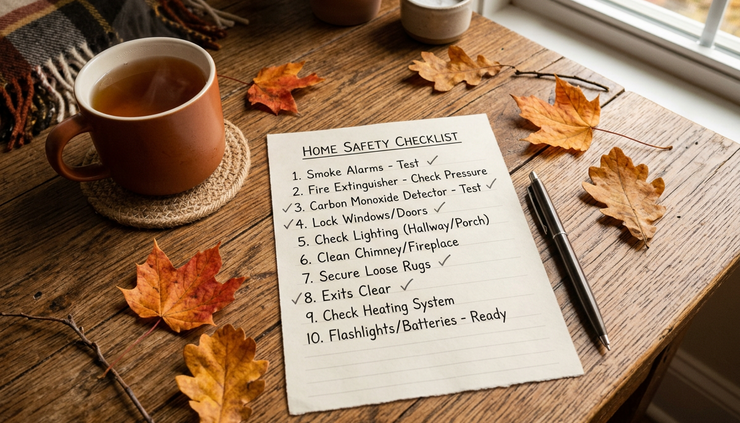
A safer home starts with one careful look
October 1 is a useful reminder to slow down and notice the details. Walk the home as if seeing it for the first time. Look at the entry, floors, lighting, bathroom, stairs, and daily routines. Ask what could be easier, safer, or more supportive.
Aging in place works best when safety planning happens early. A thoughtful assessment today can help protect comfort, independence, and peace of mind tomorrow.


Comments